







Ren News
News
Small-Time Landlords, Not Wall Street, Are Quietly Running Canada's Rental Market
New Statistics Canada data shows individual investors far outweigh institutional players in the housing market, even as rents keep falling nationwide
Published: July 14, 2026
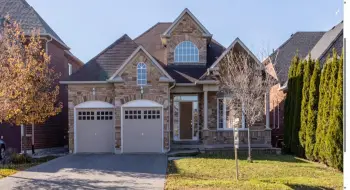
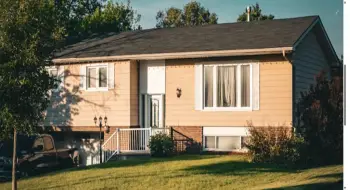
While debates in the United States often centre on big institutional landlords buying up entire neighbourhoods, a new Statistics Canada study suggests the picture north of the border looks markedly different: small-scale, individual investors, not large firms, hold the biggest share of Canada's rental housing.
The study found that individual investors, defined as those owning up to five properties, controlled the largest share of investment property value in nearly every province examined, with Nova Scotia the lone exception. In British Columbia, Ontario and Prince Edward Island, small-scale investors owned roughly half of all rental properties by assessed value as of 2021, compared with between 17 and 24 per cent held by institutional investors such as REITs, pension funds and large private firms.
Statistics Canada linked the rise of these so-called mom-and-pop investors to the same period that saw Canadian property values nearly double and rents climb more than 40 per cent between 2011 and 2021.
Carolyn Whitzman, a senior housing researcher at the University of Toronto's School of Cities, cautioned against reading too much comfort into the mom-and-pop label, noting that plenty of small landlords operate with little oversight. Still, RBC economist Rachel Battaglia said a rental market spread across many small owners, rather than concentrated among a few large ones, tends to support healthier competition, though she cautioned the data reflects property values rather than the number of units, and dates back to 2022, near the peak of the last housing boom.
The findings arrive as Canada's rental market shows tentative signs of cooling. Average asking rents nationally fell 4.3 per cent year over year to $2,033 in June, according to Rentals.ca and Urbanation, marking the 21st straight month of annual declines, even as rents ticked up for a third consecutive month. Urbanation president Shaun Hildebrand said the pace of annual declines is easing compared with earlier in the year.
Economists say boosting housing supply, including rental-specific construction backed by public or low-cost financing, remains central to easing affordability pressures regardless of who ultimately owns the buildings.












Comment has been disabled for this news